Stop Fighting the Climate: Expert-Approved Tips on How to Plant for Hotter Summers
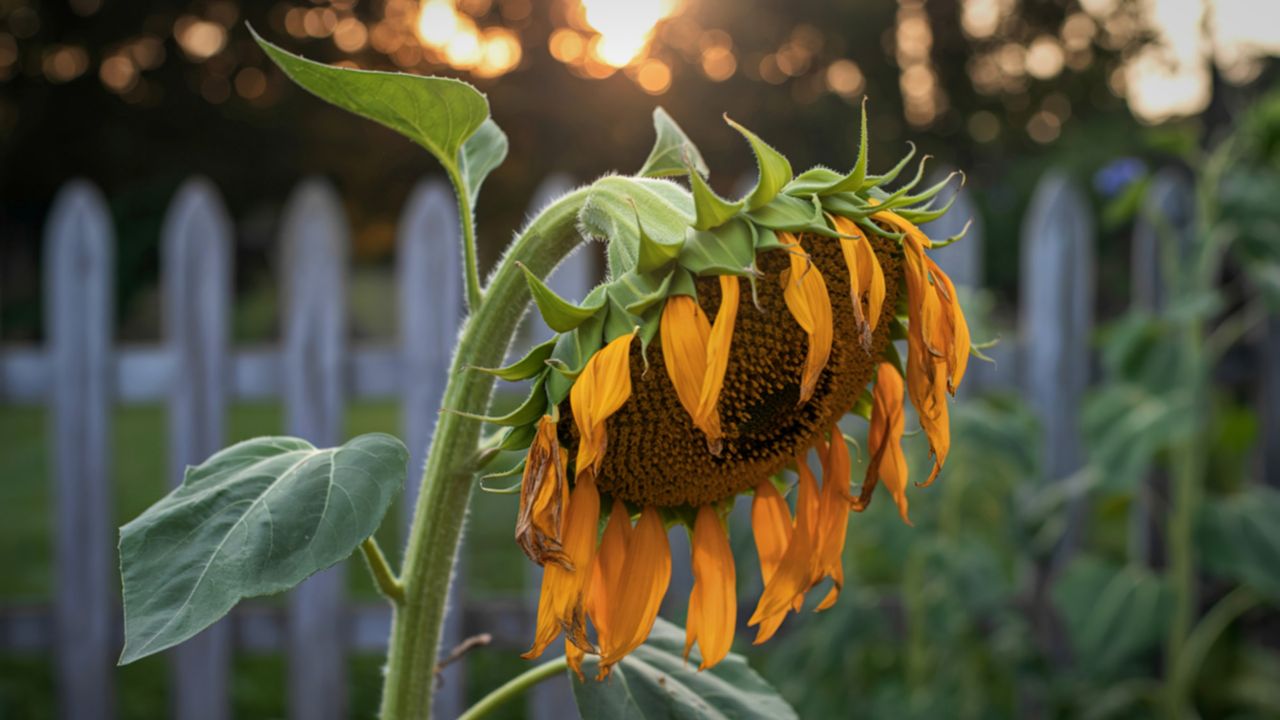
Gardeners are struggling to adapt to hotter summers.
Stop Fighting the Climate: Expert-Approved Tips on How to Plant for Hotter Summers
Gardeners Share Their Struggles and Solutions for Adapting to Rising Temperatures
Gardeners are facing a new challenge: hotter summers. As climate change continues to impact the environment, gardeners are struggling to adapt to the rising temperatures. Many are finding that their favorite plants are no longer fit for the hotter summers, and are having to find new alternatives.
Experts were direct: the key to success lies in choosing the right plants. Gardeners need to select plants that are heat-tolerant and can thrive in the new climate. This can be a difficult task, as many plants are not well-suited to the hotter temperatures.
The impact of heat on plants is a major concern for gardeners. Many plants are sensitive to heat and can be damaged or killed by the rising temperatures. Gardeners are having to find new ways to protect their plants and keep them healthy.
One gardener, who wished to remain anonymous, shared her struggles with adapting to the hotter summers. "I've been gardening for years, but this is the first time I've had to deal with such extreme heat. She has had to adapt her gardening techniques, using shade cloth and irrigation systems to keep her plants cool.
Gardeners are not alone in their struggles. The risk of plant damage and death is a significant concern, and gardeners must take steps to mitigate these risks. By choosing heat-tolerant plants and implementing protective measures, gardeners can help ensure the survival of their plants.
In addition to selecting the right plants, gardeners must also consider the soil and watering conditions. The soil must be able to retain moisture and nutrients, while also draining excess water to prevent root rot. Gardeners must also be mindful of the watering schedule, as overwatering can be just as detrimental as underwatering.
Furthermore, gardeners can take steps to create a microclimate that is more conducive to plant growth. This can include using mulch to retain moisture and suppress weeds, as well as creating shade structures to protect plants from intense sunlight. By taking a holistic approach to gardening, gardeners can help their plants thrive even in the hottest summers.
Sources & Further Reading
How Climate Change Affects Gardening Practices
Climate change is having a profound impact on gardening. As temperatures rise, gardeners are having to adapt to new and challenging conditions. This can be a difficult task, as many plants are not well-suited to the hotter temperatures.
What Happens Next
- Present day — Gardeners continue to adapt to the changing climate and find new ways to plant for hotter summers.


Comments